
LIMITED ENGLISH CAN MAKE EVERYDAY TASKS—FINDING WORK, ACCESSING HEALTHCARE, OR SPEAKING WITH SERVICES—FAR HARDER.
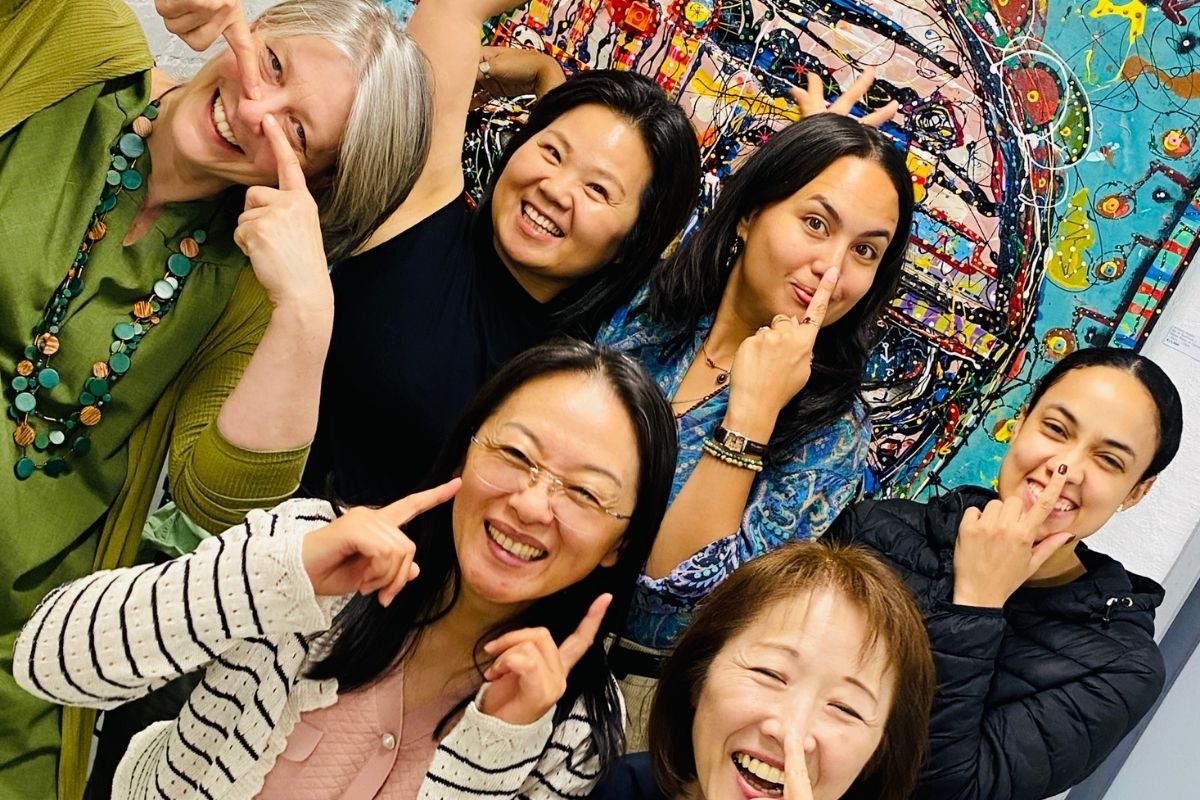
Every Friday, at a shop on Chapel Street, a cacophony of different languages comes together in conversation. One speaks Japanese, the other Ethiopian. Still another is more comfortable with Chinese. Somehow, they understand each other through smiles and phrases.
“You do what this weekend?” Snow, a Chinese immigrant storyteller, asks.
“Good. Cooking. Stay home,” Yira, a Colombian visual artist, replies.
Then the teacher arrives at 11 AM. They take her arrival as the time to switch to a language that bridges them all: English. It’s not the one they were born with, nor is it the most comfortable to absorb as adults. But as migrants, English is a gateway to the Australian life they now have: one that leaves behind the comfort of the mother tongue, but also the hardship of persecution, exile or war.
According to the Australian Bureau of Statistics, more than 5.5 million people in Australia speak a language other than English at home, and report speaking English “not well” or “not at all”. Limited English makes everyday tasks—finding work, accessing healthcare, or speaking with services—far harder.
IT’S ABOUT LEARNING SIDE BY SIDE.
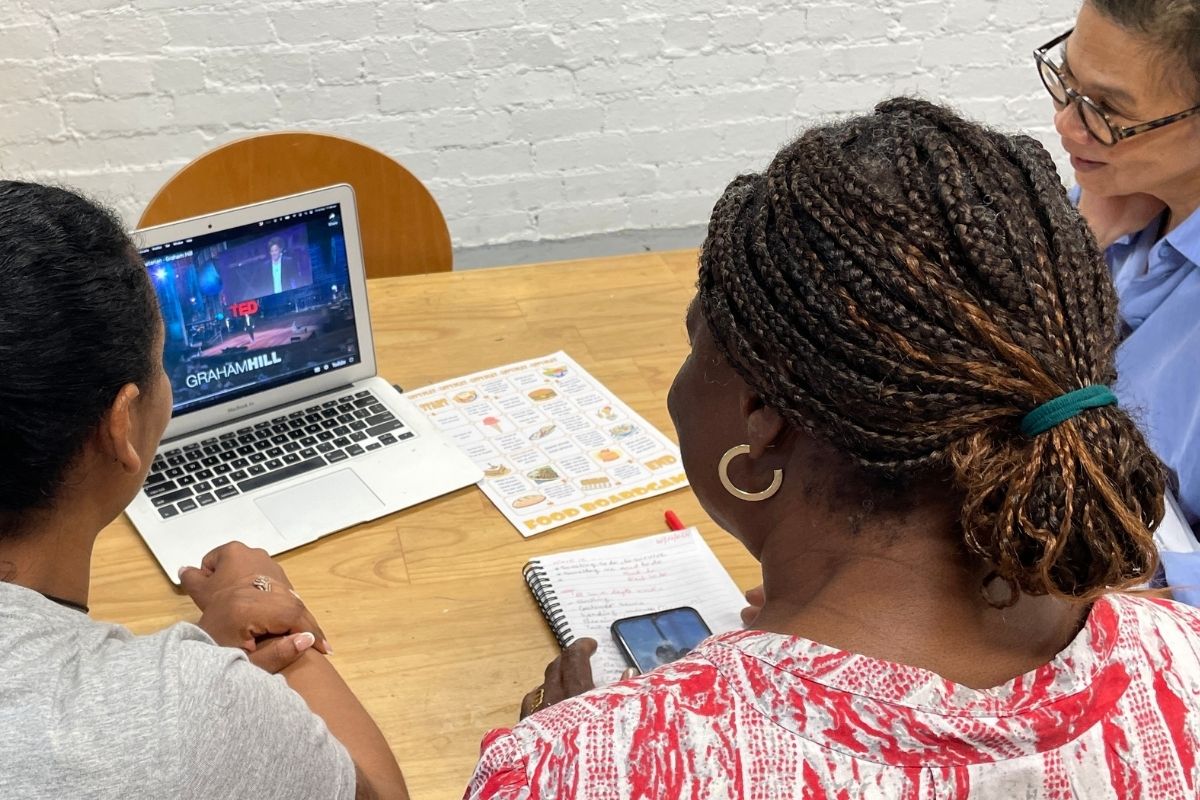
Space2b’s English as a Second Language (ESL) classes are a free, voluntary program run by former or current ESL instructors to practice their teaching skills. It aims to use language for practical comprehension—for job interviews or conversations with colleagues—so migrants can adjust more easily to Australian life.
“Culturally diverse women were hoping to practise their English, and they did not want to do it through TAFE or any educational setting,” says Lucy Worsley, Space2b’s Operations & Programmes Manager.
A conversational meetup was then set up to create a casual atmosphere, departing from the pressure to earn grades. Each class focuses on microlearning that supports learners at diverse levels, including those without formal education. “It’s about learning side by side,” Space2b’s Janine Lawrie would often say. “We learn as much from them as they learn from us.”
THESE SESSIONS ARE AIMED AT BUILDING CONFIDENCE IN DAILY LIFE
Each mentor brings their own life skills and experiences. One session may discuss Australian flora and fauna, while another may discuss Indigenous art. Most times, classes are student-led in need. “If one student is struggling with booking an appointment, then that session addresses those natural life barriers,” says Lucy.
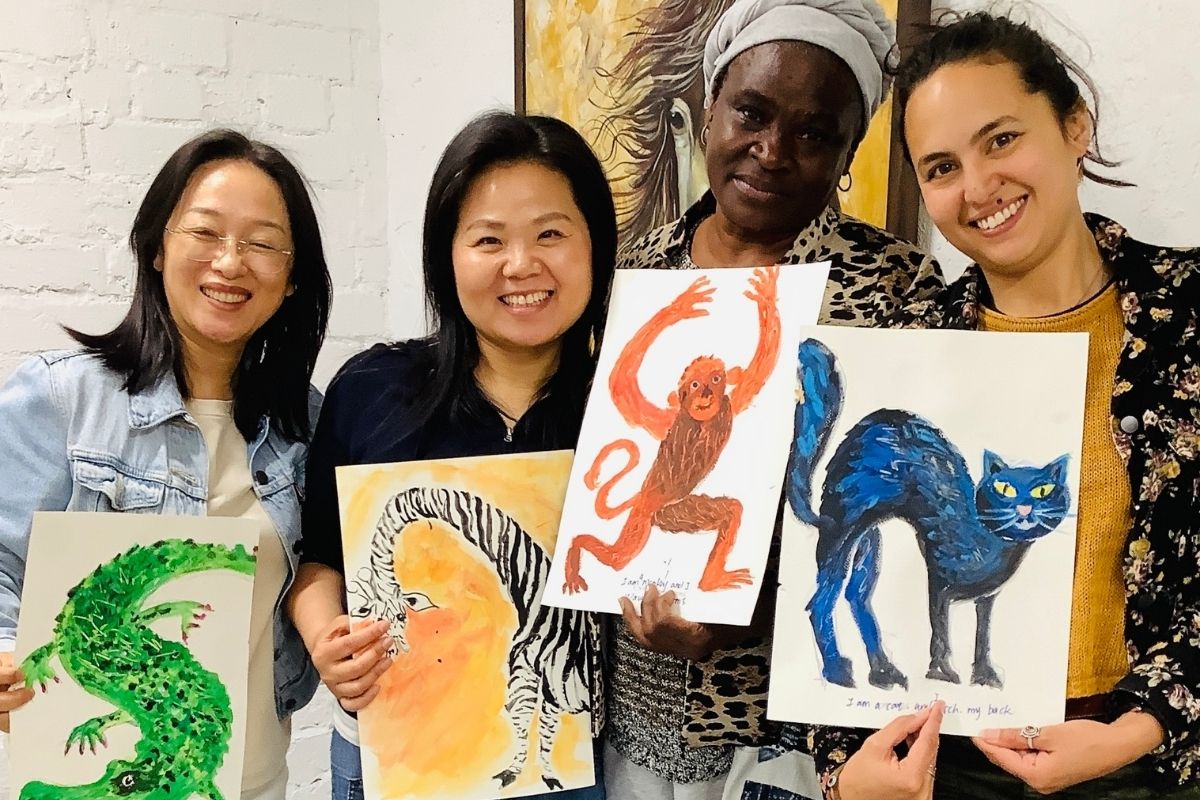
“More than English, I’ve gained a survival ability here,” says Snow. “Through practical experiences, I found a part-time job I enjoy. The class also provides me with platforms to pursue my hobbies.” Yira confirms the impact of this applied learning, which infuses English into experiences you love. Yira used one of the sessions to teach a watercolour painting class, during which she learned new words and how to interact in a group setting.
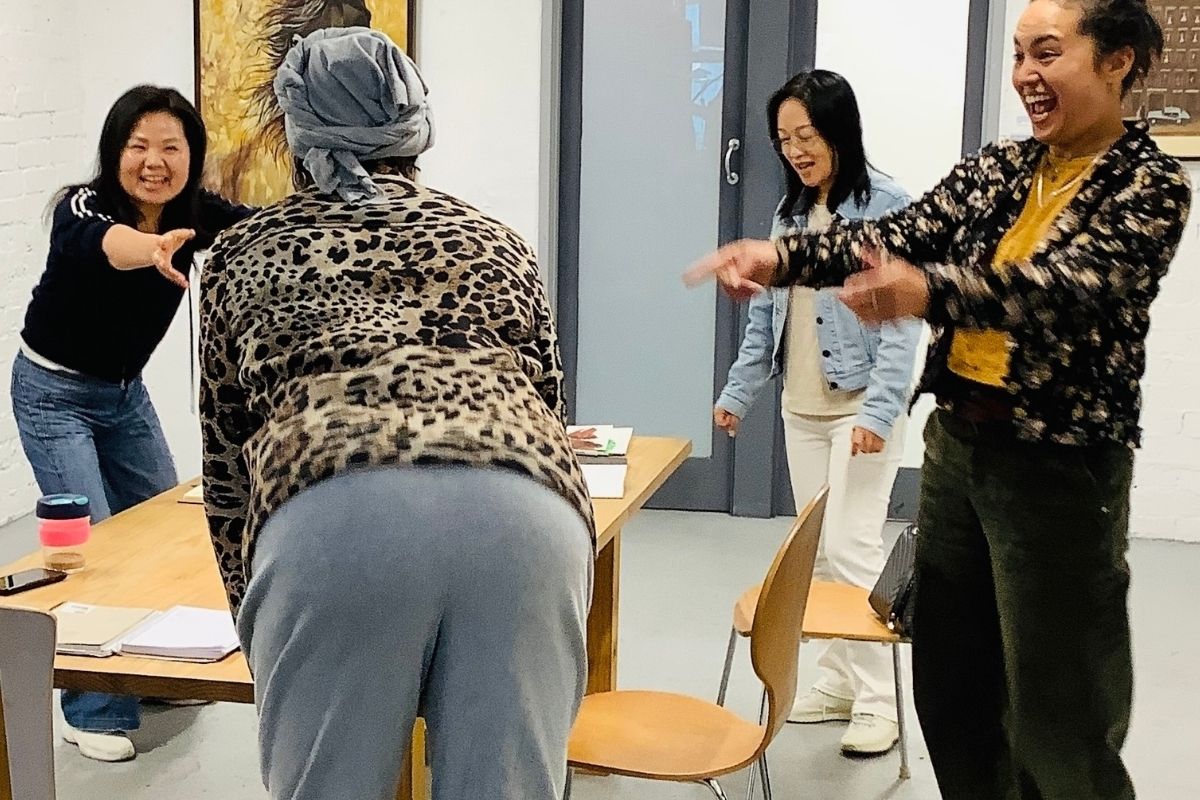
These sessions are aimed at building confidence in daily life, whether it’s saying hello to a shop owner or asking for help while grocery shopping. “We plant little seeds and see what happens,” Lucy says, knowing that having the space to be present is already powerful enough.
____
Want to volunteer to be an ESL Mentor? Head on to this LINK.
Join the weekly class as a peer learner? Apply HERE.